What Is a Chinese Tea Ceremony?
The Chinese tea ceremony is a wedding tradition where the couple serves tea to their parents, grandparents, and other elder relatives. This is done to show respect, receive blessings, and formally introduce the couple to each other’s families.
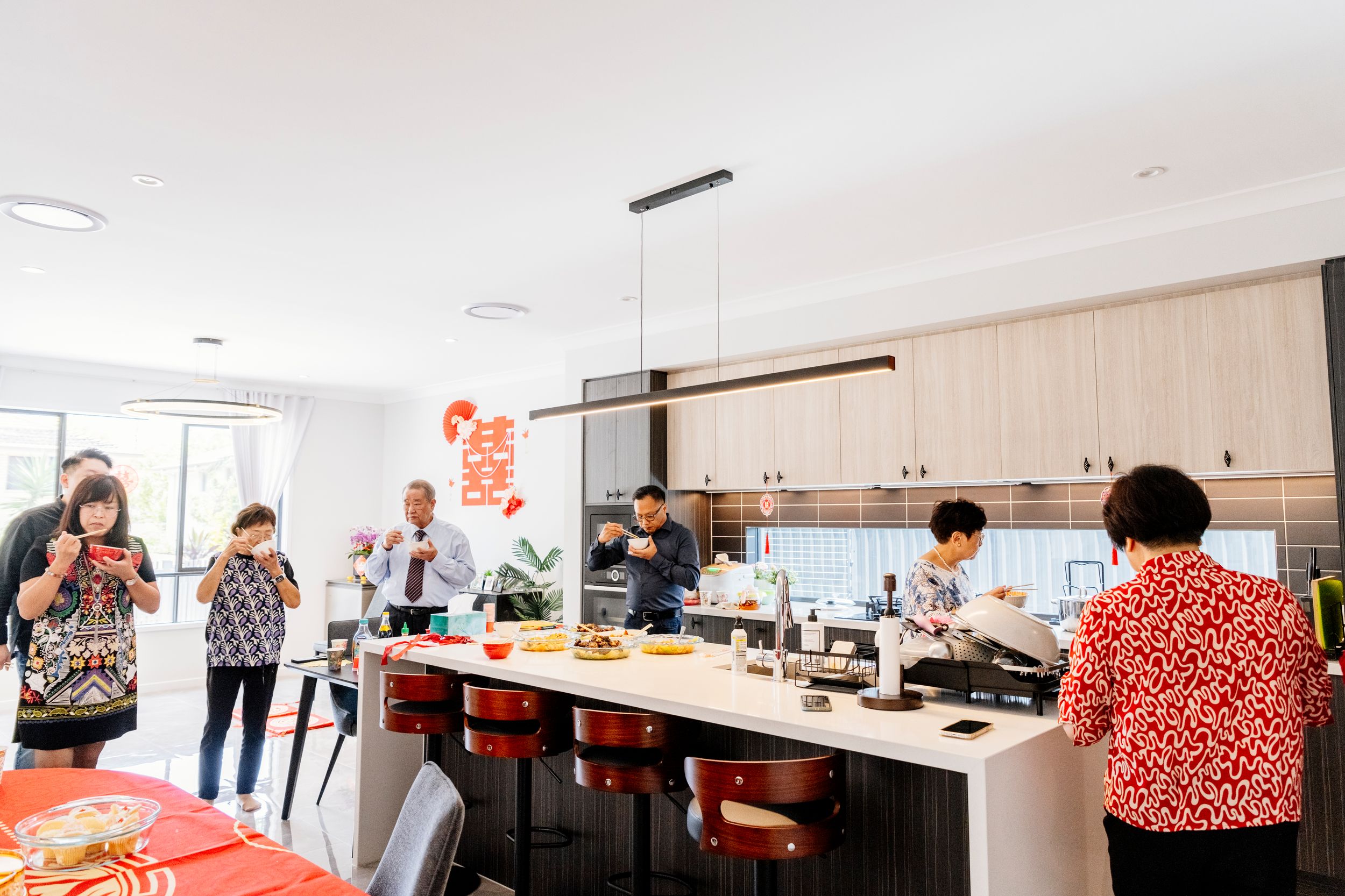
Traditionally, the tea ceremony takes place on the wedding day — either in the morning before the banquet or reception — but modern couples sometimes hold it as a separate event or include it as part of a smaller family gathering.
History and Cultural Significance
The tea ceremony has roots dating back to the Tang and Ming dynasties, when tea drinking became a refined cultural practice. Over time, it evolved into a formal way of honoring elders and symbolizing a harmonious start to married life.
Tea Symbolism – Tea represents purity, stability, and respect.
Family Bonding – The act of serving tea unites two families.
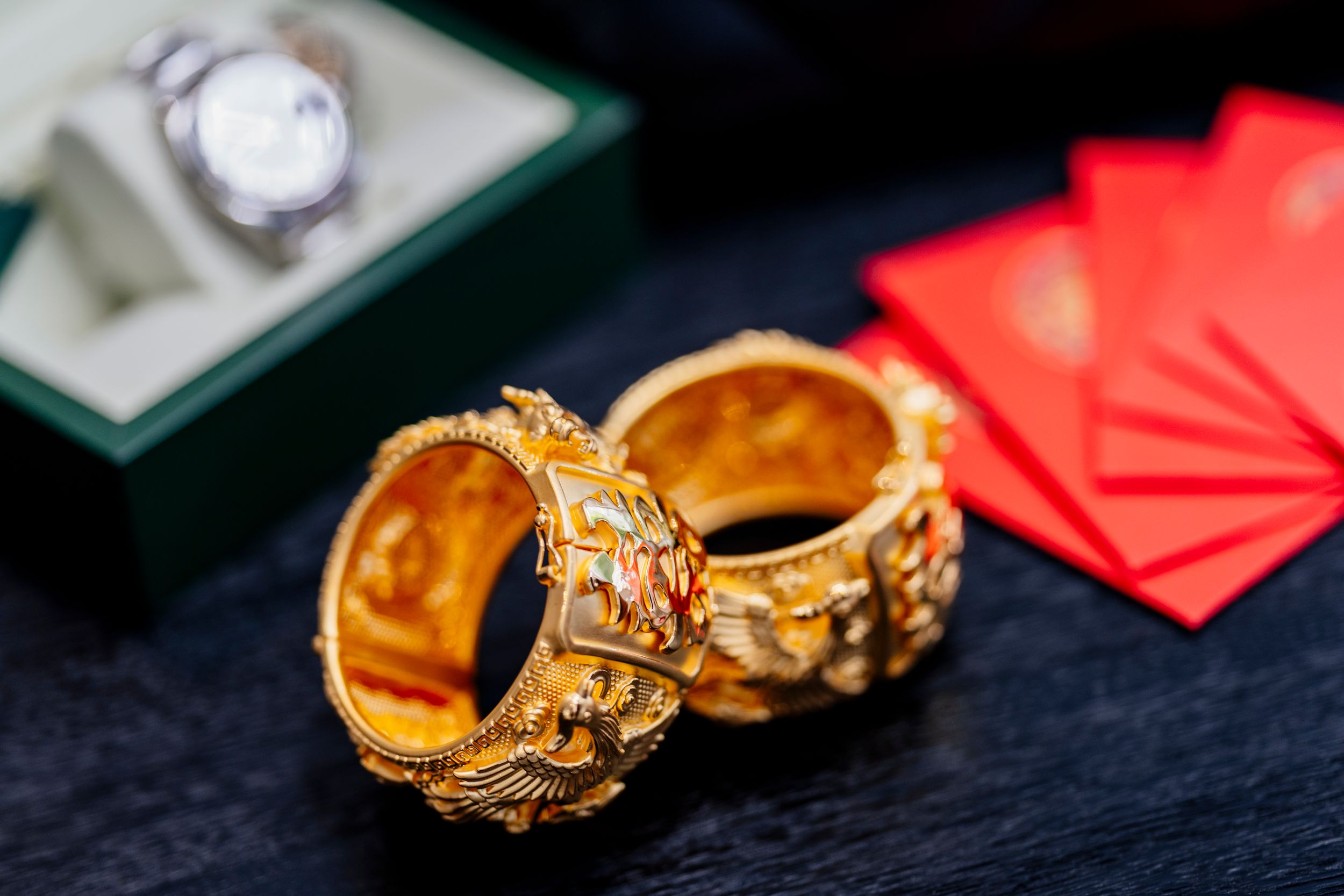
Blessings for the Future – Parents and elders offer words of wisdom and red envelopes containing gifts or money, symbolizing prosperity and good fortune.


How the Ceremony Flows
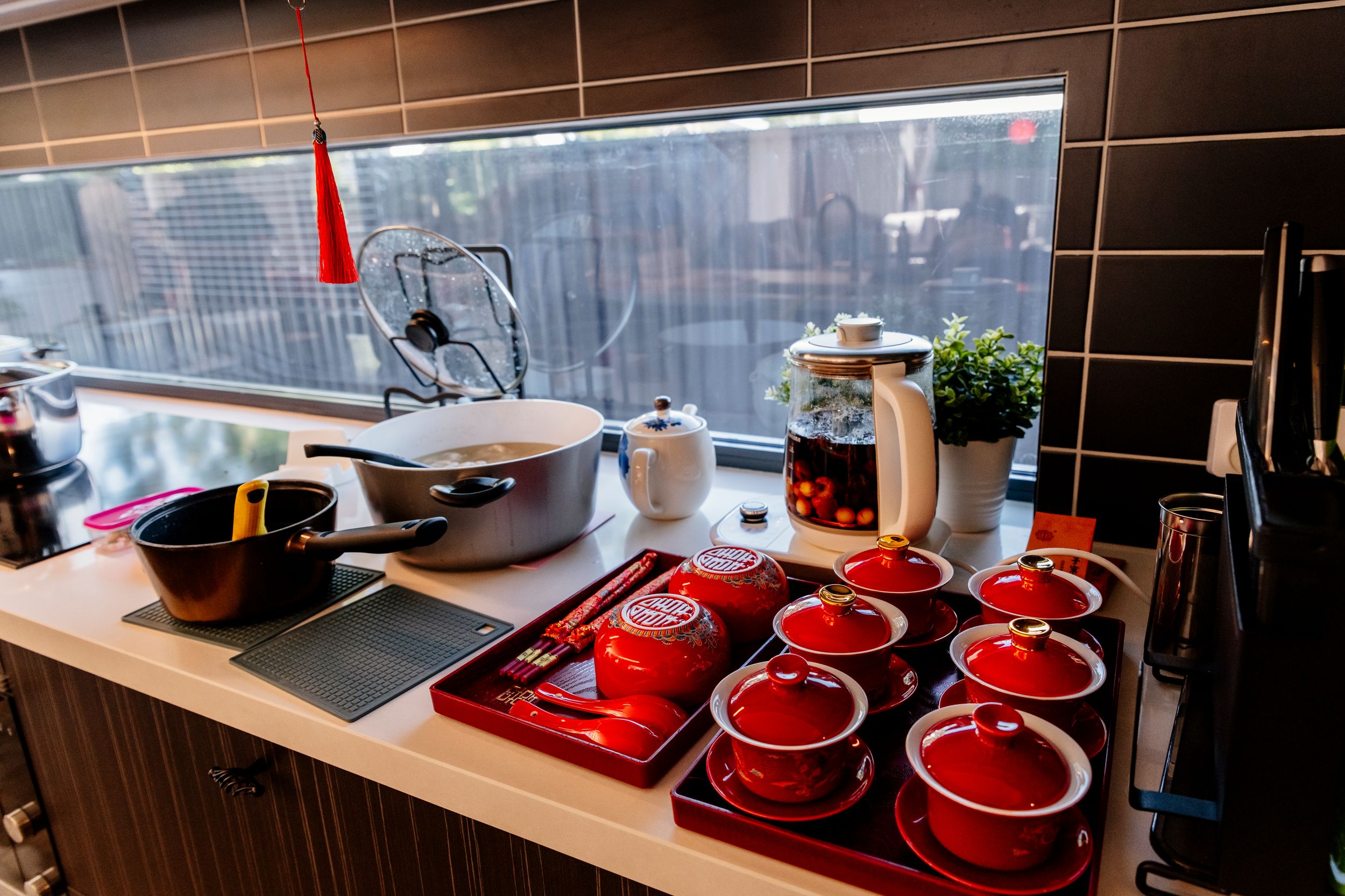
Preparation – Tea is brewed and poured into cups.
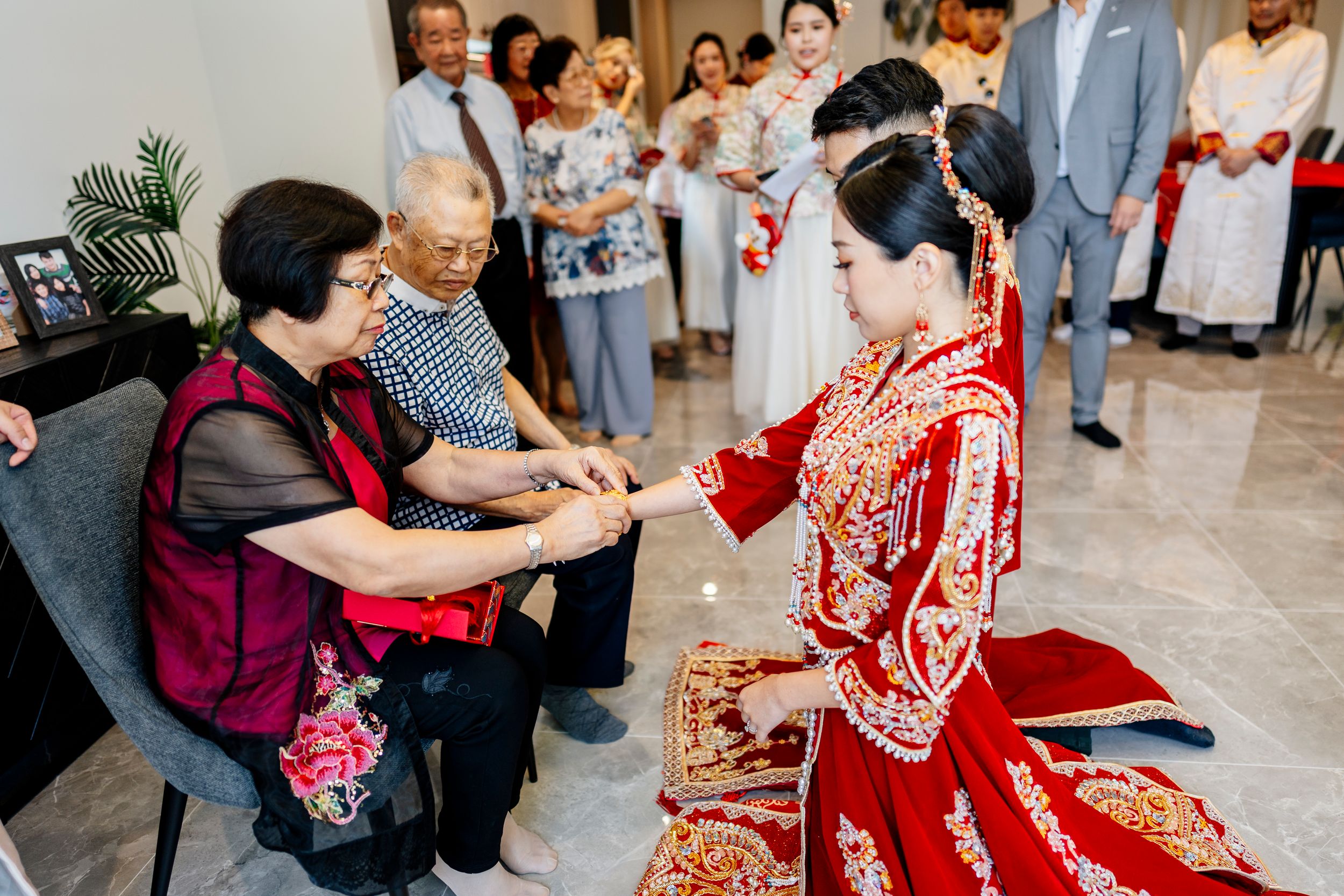
Serving – The couple kneels or bows, serving tea to each elder in order of seniority.
Receiving Blessings – Elders drink the tea, give their blessing, and present red envelopes or gifts.
Closing – The couple thanks their elders, and group photos are often taken to commemorate the moment.
Photography Tips for a Tea Ceremony
From a photography perspective, the tea ceremony is one of the most emotional and visually rich moments of the wedding day. Here’s what to keep in mind:
Lighting – Choose a space with natural light if possible for the best photos.
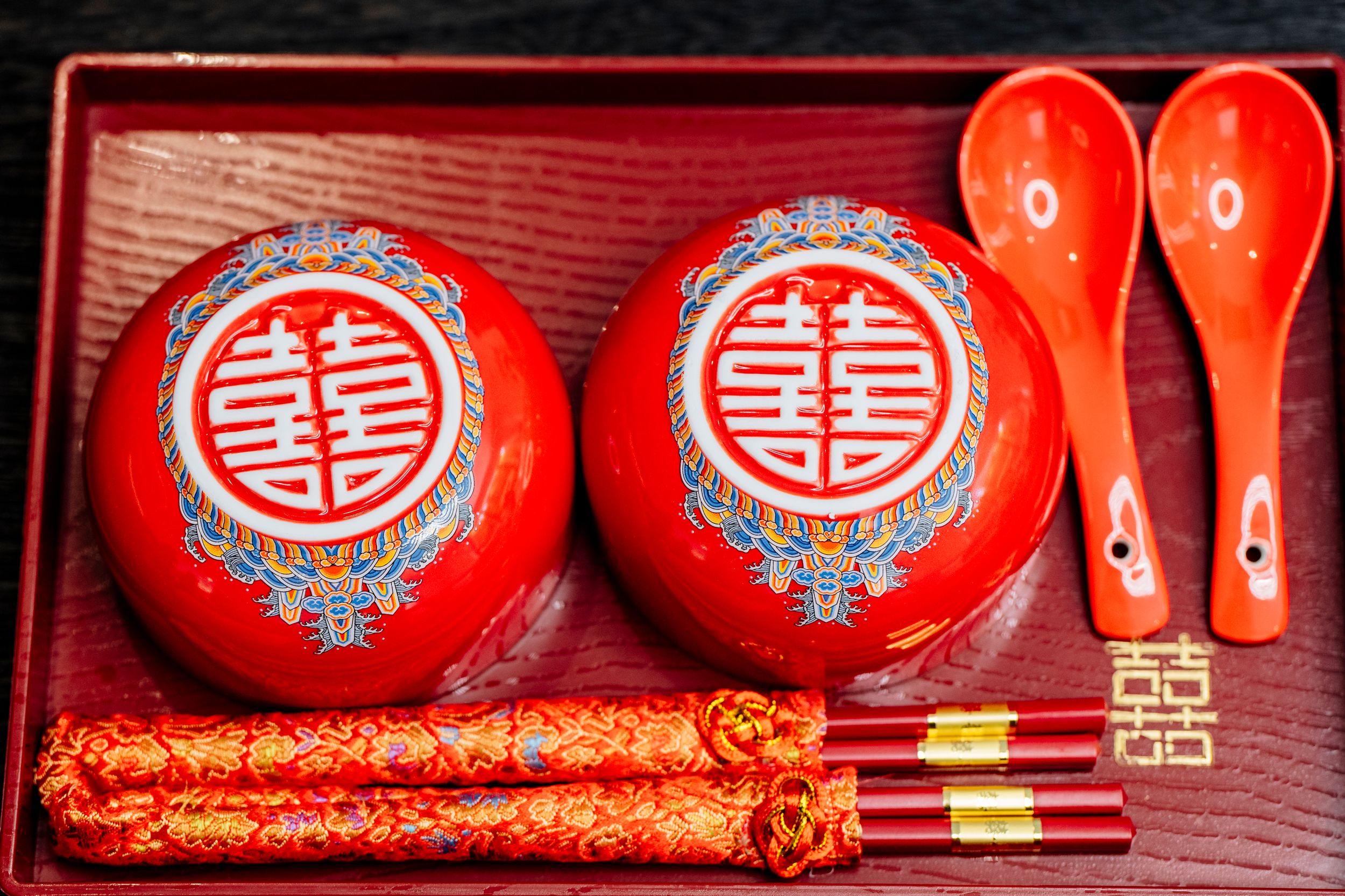
Details – Have your photographer capture the tea set, envelopes, and any cultural décor before the ceremony begins.
Angles and Reactions – Document the couple kneeling, the act of serving tea, and the expressions of family members.
Family Portraits – Schedule a few extra minutes after the ceremony for group photos while everyone is gathered.


Practical Tips for Couples
Plan Ahead – Create a list of relatives and the order they’ll be served to avoid confusion on the day.
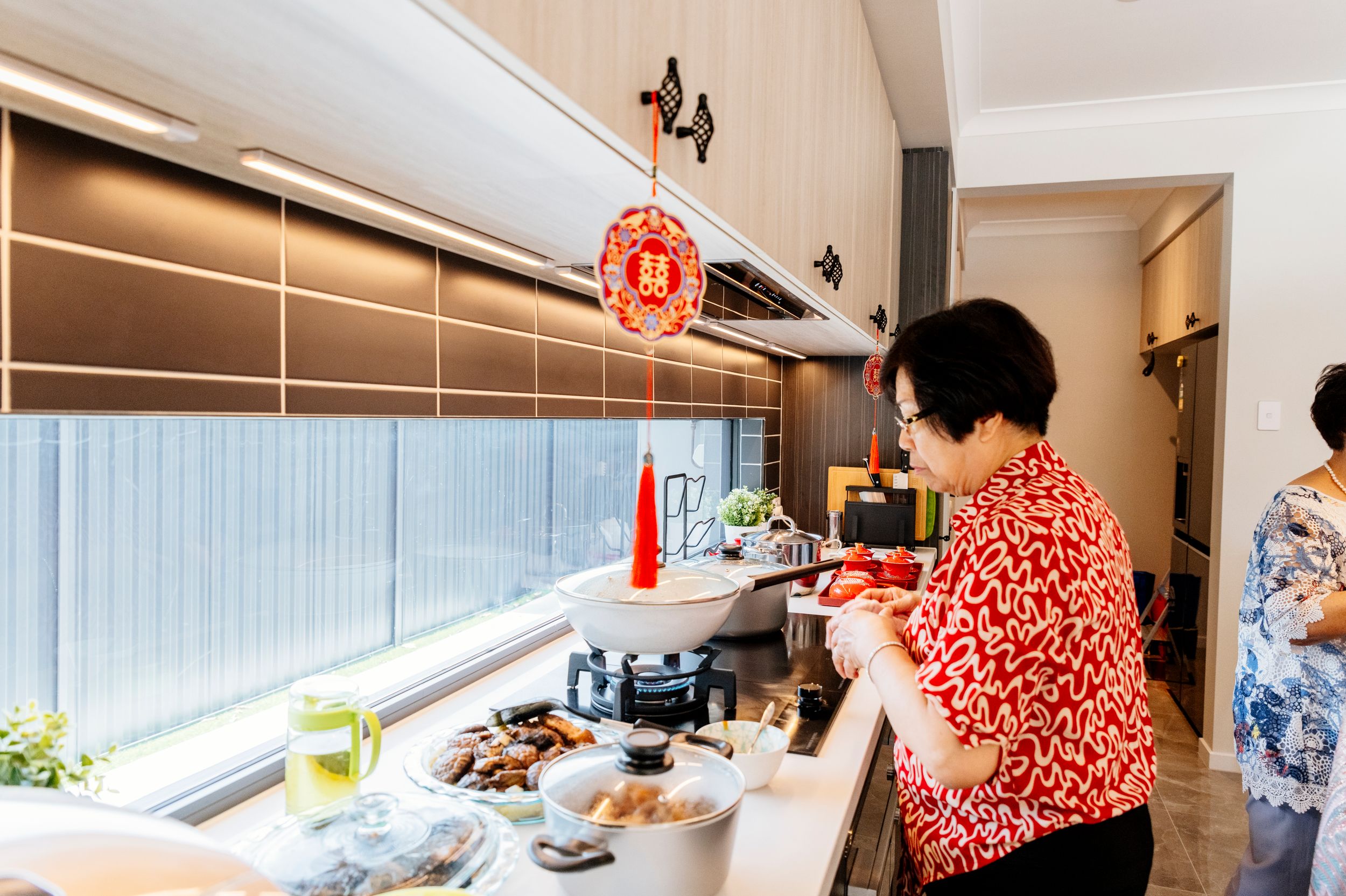
Keep the Space Clear – A clean, uncluttered backdrop helps the focus stay on the couple and their family.
Take Your Time – Don’t rush! Allow enough time for each elder to share their blessing.
Coordinate Outfits – Consider wearing traditional attire or complementary colors that look good in photos.
Chinese Tea Ceremony FAQs
How Long Does a Tea Ceremony Take?
Typically, 20–40 minutes depending on the number of relatives being served. Larger families may require extra time.
Who Is Served First?
Traditionally, the groom’s parents are served first, followed by grandparents, aunts, uncles, and other senior family members, then the bride’s side.
Do We Have to Kneel?
Kneeling is traditional, but many modern couples choose to bow slightly or stand if kneeling isn’t practical.
What Do Elders Say During the Ceremony?
Elders usually share blessings and advice, wishing the couple happiness, health, and prosperity.
Why You Should Include It
Even for couples who may not be incorporating many other cultural traditions, the tea ceremony is a meaningful way to honor family and slow down on a busy wedding day. It creates a moment of stillness, respect, and connection, and also provides some of the most heartfelt, memorable photographs!
